You Sowing Seeds? Or Being Sold Hope? A Deep Dive Into Prosperity Teaching
Imagine going to church on a quiet Sunday morning, You enjoy the praise and worship the choir singing, wonderful hymns onto the Lord, it gets to tithes and offering time, where a woman in the back row is deciding whether to pay rent that she’s behind on, or to give her last $40 to the church because the pastor clearly stated that God can’t bless her if she doesn’t give.

In our modern day society, I want to open up talking about many people’s experiences, but don’t always know how to process it or what it truly means when the church once felt like a place where you could grow and be around like-minded people and find spiritual grounding.
Now all of a sudden you are expected to pay for your faith and for God’s blessing. Where church is supposed to be a safe and encouraging place to focus on your own personal relationship with God. What happens with a lot of modern day mega churches, especially with prosperity gospel teachings which purpose is to bring hope but nowadays is starting to be tied to guilt, manipulation and pressure, ending up giving false promises given to their congregation.
I want to take on this challenge of the story of tithes and offering. As theologically, biblically, it is defined as an act of worship, However, in the wrong hands, it could be used as manipulating believers, emotionally and spiritually, to give their last as an hope for a miracle. A measurement of their faith. As this is not a personal attack in any way, but more importantly to bring awareness of how prosperity gospel affects real life people who deal with real life struggles.

The Rise of Prosperity Gospel & The Costs
Let’s first define the prosperity gospel. The prosperity gospel is a popular belief among the Christian community that God will reward the faith given in exchange for material wealth and health. In simpler words, the prosperity gospel teaches that when you give your money to the church or to the church leader that God will bless you substantially financially. On the outside, looking in it looks great, it provides that hope people want, need, and what people crave for. The congregation feels that their situation can change, just by giving an amount of money.
However, it has become a double edge sword because it makes people feel like God’s love and God’s grace and favor in faith is a testament of how much they give. Common messages such as, “name it and claim it”, “God can’t give you more if you don’t give”, “The bigger the seed, the bigger the blessing” The purpose of these messages is to attach themselves to the people’s emotions. As there are some people who don’t have the financial gains, people who are struggling just to make ends meet are the ones that feel pressured the most.
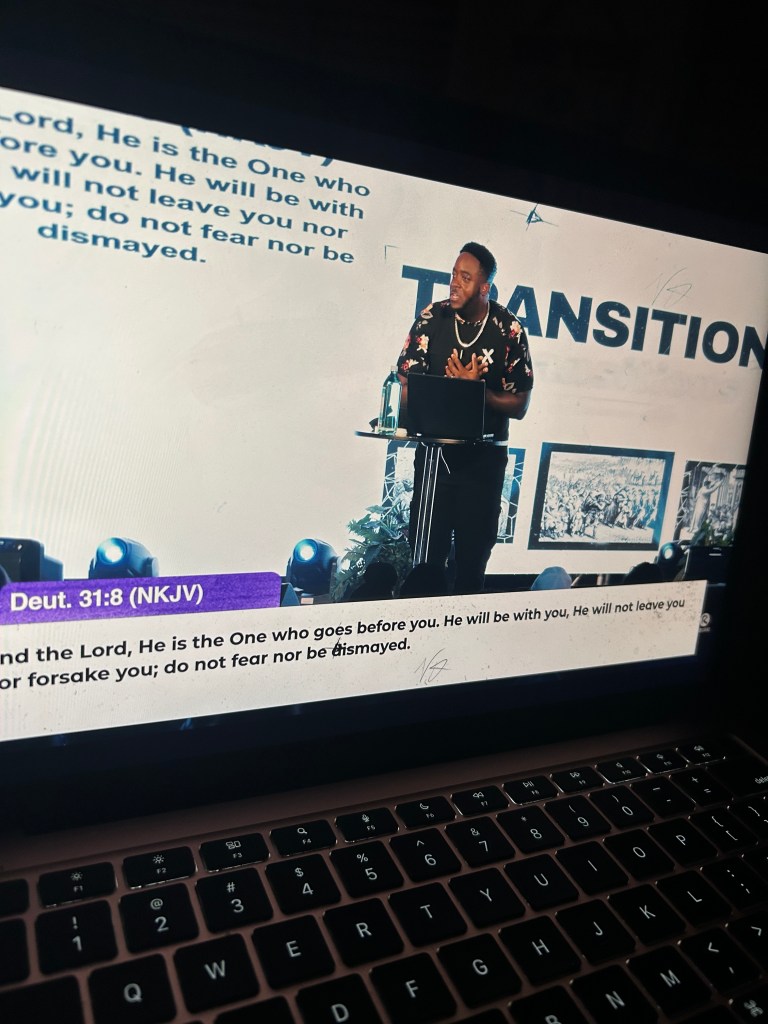
Now, instead of giving from the heart and an act of worship towards God, it starts becoming that people are giving out of fear, in shame, in thinking that God is not going to bless them because it is not a certain amount. All of these actions start to become opposite in what God in the Bible wants. Actually, biblically there are many scriptures about the dangers of loving money or becoming lovers of money.
The prosperity gospel thrives on emotional vulnerability, That struggles and setbacks happen because someone didn’t have enough faith which means didn’t have enough money to give. This leaves millions of Christians, stressed, frustrated, even feeling guilty and spiritually drained when life doesn’t magically improve like what is being promised to them by a spiritual leader.
Joel Osteen’s Case Study

To look closer to create a deeper dive, we conducted a little case study centered around Joel Osteen, as he is one of the biggest names connected to prosperity preaching, as his church, Lakewood Church, is among one of the top churches to be attended and viewed by millions every week. His sermons specifically focus on “living your best life”.
Again, as it was stated before, it looks great, it feels great. You hear it. You automatically feel inspired. When you start looking closer, you see how his style of preaching often connects with spiritual breakthroughs, miracles through giving money. Furthermore, his encouraging messages with his lifestyle also reflects the dangers of the prosperity gospel.
As Osteen has an estimated net worth of around 100 million this makes him one of the richest pastors in the whole world. As he no longer takes a salary from Lakewood Church, he still earns his salary from his books, speaking tours, and real estate.
From both sides, supporters considered this as success, a living proof of prosperity gospel. Critics argue that the prosperity gospel is only for the pastor and not for the people that make up the church. Aside from his millions, his mansion is also discussed as a part of this conversation as his mansion was purchased for around 10.5 million and now value between 14 and 16 million with all luxury amenities.
A pastor owns a home worth more than some hospitals, restaurants, stores that we see on a day-to-day basis, more importantly, he has so much more money than some people within his congregation. It leads people, Christians to ask if a spiritual leader who is in charge of a “flock” who has a responsibility to a “flock” of people, should have access and gain this amount of wealth.

Seeing this through the lens of prosperity gospel, it claims that if you see a pastor like Joel Osteen “be blessed in this way, then you can be blessed in this exact way too.” However, according to scripture and what the Bible actually says contradicts this idea for example
1 Corinthians 3:7 “So then neither is he that planteth any thing, neither he that watereth; but God that giveth the increase.”
This scripture means that only God decides the blessing and what blessings come true not the offering plate going around each Church pew.
Galatians 6:4 “But let every man prove his own work, and then shall he have rejoicing in himself alone, and not in another.”
The scripture elaborates on how God gives personal blessings that these are not financial miracles or promised miracles
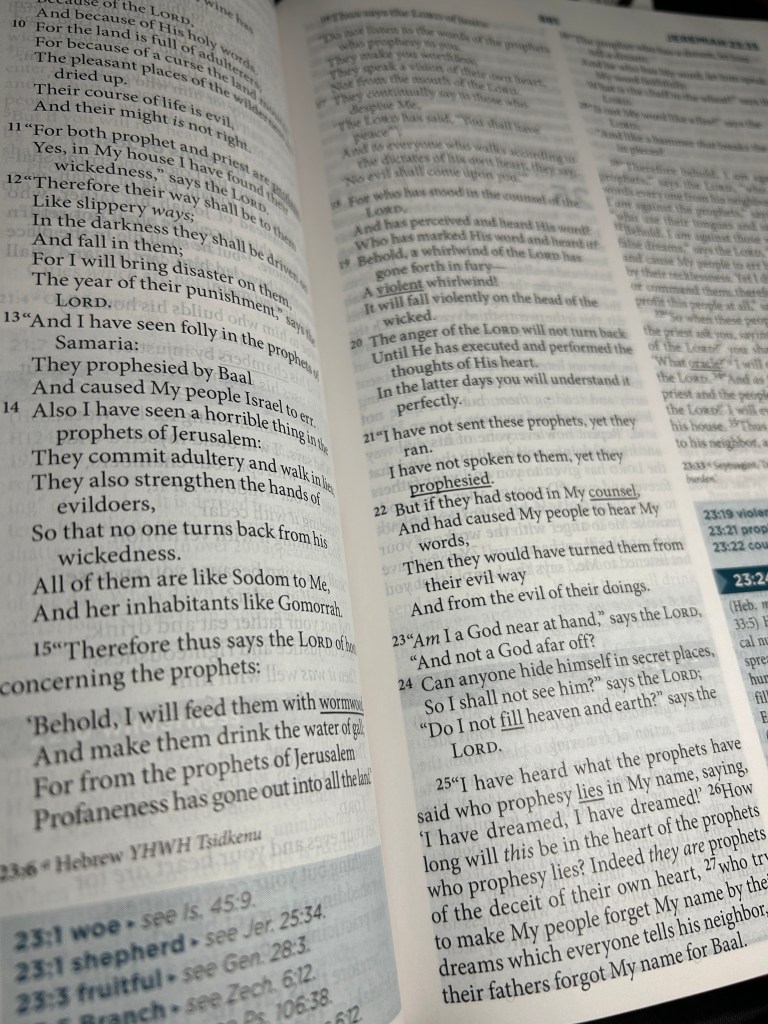
While the Bible does clearly state that God does indeed give blessings and blesses those who serve him, but it’s not always in an identical way. As God in the Bible, he is intentional, and according to the Bible, he lays out everyone’s story individually, personal and tailored to that specific person, he gives many different gifts, talents, which shows that blessings often are different and not a copy and paste situation
Osteen uses his financial success to become proof in selling the point of prosperity gospel, “living your best life” means that people will see a living example of God’s abundance and blessings promising that people can get this for themselves and making people want it for themselves.
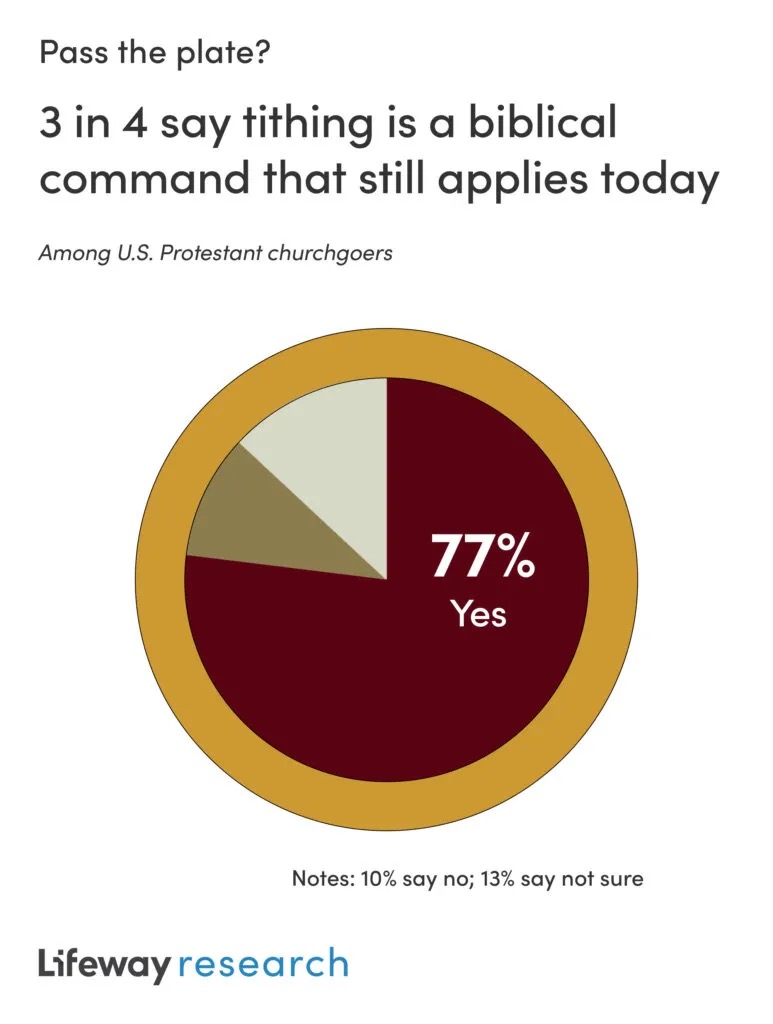
Which creates a pattern that people come and give because they believe that they are going to be blessed with financial abundance. The congregation hopes that the breakthrough is coming after they sow a seed. While Lakewood Church does not release their full financial breakdown to post their financial records, leaves some concern because people don’t even know where their money is even going to, for example of controversy recently in 2024, where Joel Osteen celebrated paying off Lakewood 100 million renovation loan.
The supporters and the congregation obviously cheer, but the situation does raise some concerns and questions of how the church generated that hundred million more specifically how much came from tithes and offerings. If a church makes this kind of money, why does such an enormous ministry and a spiritual leader, still pressure people to sow or to sow a seed attached to their blessing. Especially with a pastor that lives such a lavish lifestyle, but does not be transparent to the congregation about the church funds.

Critics often converse and argue that Lakewood feels more like a self promotional platform, more like motivational speaking at its finest. That its brand is not focused on the community center ministry where it’s supposed to be advocating for communities to support humility and worship and love. It pushes people to sacrifice their financial burden in getting into financial debt as leaders live in luxury.
Twisting scripture for money, while playing on people’s vulnerability and damaging their faith, creates long lasting effects such as “church hurt”, or religious, spiritual trauma. In the end, it makes Christianity the foundation of salvation and sins being forgiven turned into a business and a corporation instead of a relationship.
Pastor’s Perspective
This part, I am gladly happy to share because I got to sit down with my own mother and conducted an interview with her being a pastor herself. This interview goes over the origins and the definition of tithing and how adding biblical and scripture to further explain that the purpose goes beyond money. Dr. Gillespie stresses that tithing should be an act of worship to God, she also reminds that God holds pastors accountable for how they treat their “flock” addressing the prosperity gospel. She reflects and she also shares personal testimonies of God’s provision through the act of obedience in tithing
Scripture vs. Manipulation
Key points I love to reflect on about going back to scripture and theologically talking about what God means when you are giving. First in the Bible, it states that God loves a cheerful giver. “Every man according as he purposeth in his heart, so let him give; not grudgingly, or of necessity: for God loveth a cheerful giver.”
This debunks the feeling that people should be pressured or feeling guilt that they cannot give, because we see when we look at the Bible that God loves when a person is cheerful while giving. Meaning that giving is supposed to bring great emotions, positive and happy feelings. Giving should be from the heart because it is an act of worship on God. Most importantly, giving in the early church, it was first established back in the book of Acts it was for helping the poor, not going into pastors pockets.
It becomes spiritual harm when the church becomes more about twisting scripture to pressure and encourage members, even if they are in debt. It causes people to walk away with hearts and distrust in leadership and even confusion about God’s character and the kind of God that they serve. When that is not what Jesus taught throughout the scriptures.
Sowing Seeds
So the question that makes us ponder and what leaves us is that giving is essentially a great thing, tithing is biblical, and the best part of that is the generosity and the kindness displayed as a part of worship and devotion. But when money becomes the focus and that it all is centered around a price tag on God’s favor, becoming sales pitches, it is distorted, and something that is fragile and sacred, and holy has become manipulated. This is when we start to wake up and ask what the Church is supposed to be? Comparing the scriptures in what God says about giving and our heart posture. What happens when faith turns into profit, into a transactional relationship. That’s when awareness and accountability needs to come into play protecting people’s emotions and mindsets that it is concerning Christianity.



Leave a Reply